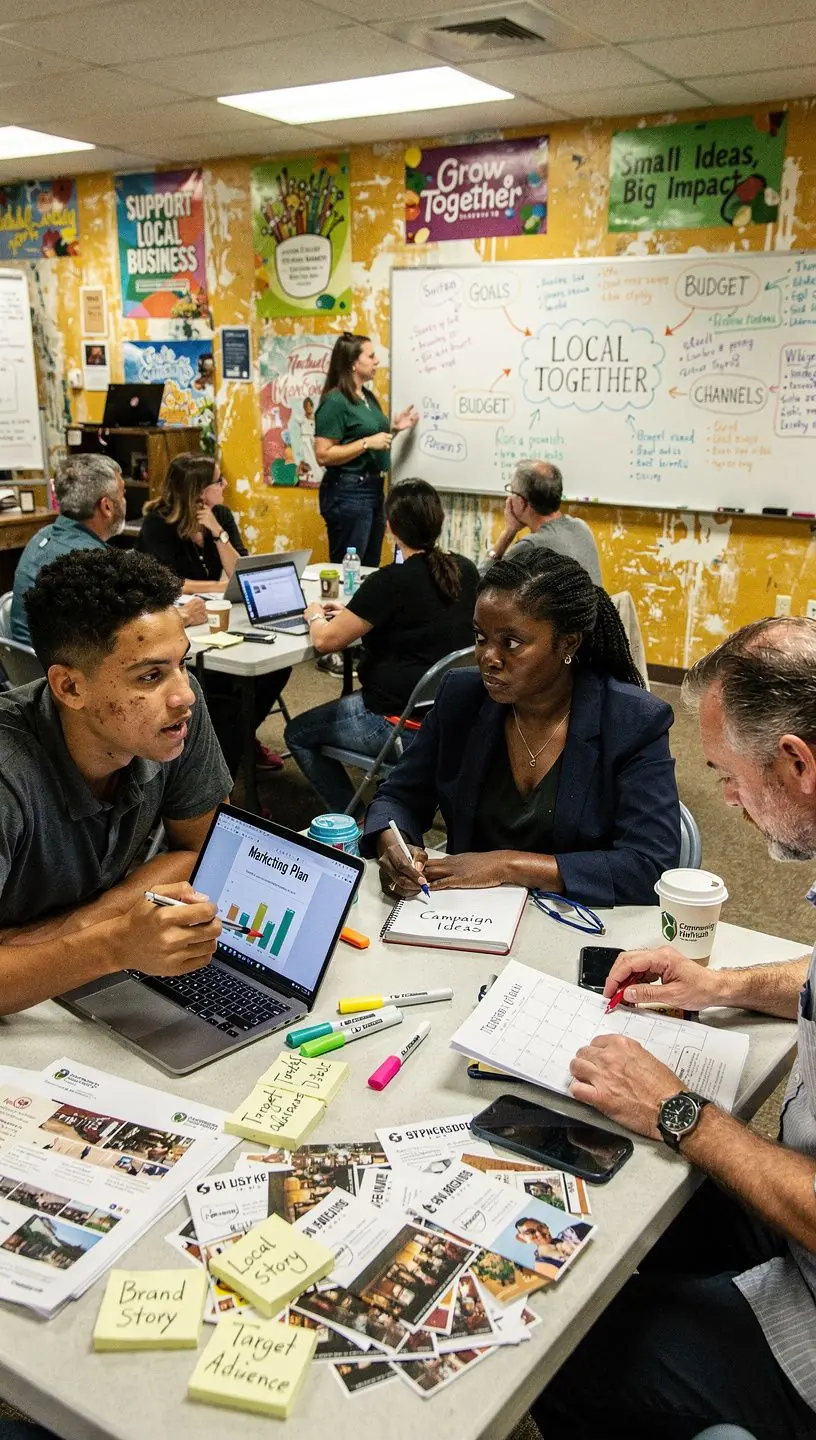
Practical Methods for Enhancing Team Collaboration
Effective collaboration is essential for achieving organizational goals. This article explores practical methods that can enhance collaboration among team members, leading to improved productivity and innovation.
Understanding the Importance of Collaboration
Collaboration is a critical factor in the success of any team. According to research conducted by the Institute for Corporate Productivity, organizations that promote collaboration are up to 50% more likely to achieve their objectives. This is largely because collaborative environments foster creativity, enable knowledge sharing, and encourage diverse perspectives.

"Effective collaboration not only enhances productivity but also contributes to employee satisfaction and engagement." - Industry Expert
Practical Techniques to Enhance Team Collaboration
Implementing specific strategies can significantly improve team collaboration. Here are some methods to consider:
- Establish Clear Goals: Teams should align on clear, measurable objectives. Studies show that teams with defined goals are often 30% more effective in their collaboration efforts.
- Encourage Open Communication: Fostering an environment where team members feel comfortable sharing their ideas and feedback can help. Experts recommend regular check-ins to facilitate open dialogue.
- Utilize Collaborative Technologies: While traditional face-to-face meetings are valuable, incorporating digital platforms can help teams stay connected, especially in remote settings. Research indicates that using collaborative software can enhance communication, improving team performance by 20-25%.
Creating a Collaborative Culture
For collaboration to thrive, it is essential to cultivate a supportive culture. This involves:
- Recognizing Contributions: Acknowledging individual contributions fosters an appreciation for teamwork, motivating members to collaborate more effectively.
- Facilitating Team-Building Activities: Engaging in team-building exercises can strengthen relationships and improve trust among members. Many organizations find that regular team-building activities yield long-term benefits.
- Providing Resources: Granting access to resources that support collaboration, such as training or tools for project management, can lead to better outcomes. Typically, this requires a commitment of time and effort, but the benefits can be substantial.
Conclusion
Enhancing team collaboration is not a one-time effort but an ongoing process that requires commitment and adaptation. By implementing clear goals, fostering open communication, and creating a supportive culture, teams can experience significant improvements in collaboration. While results may take time to manifest, investing in these practices can yield lasting benefits for both team dynamics and organizational success.
Learn More