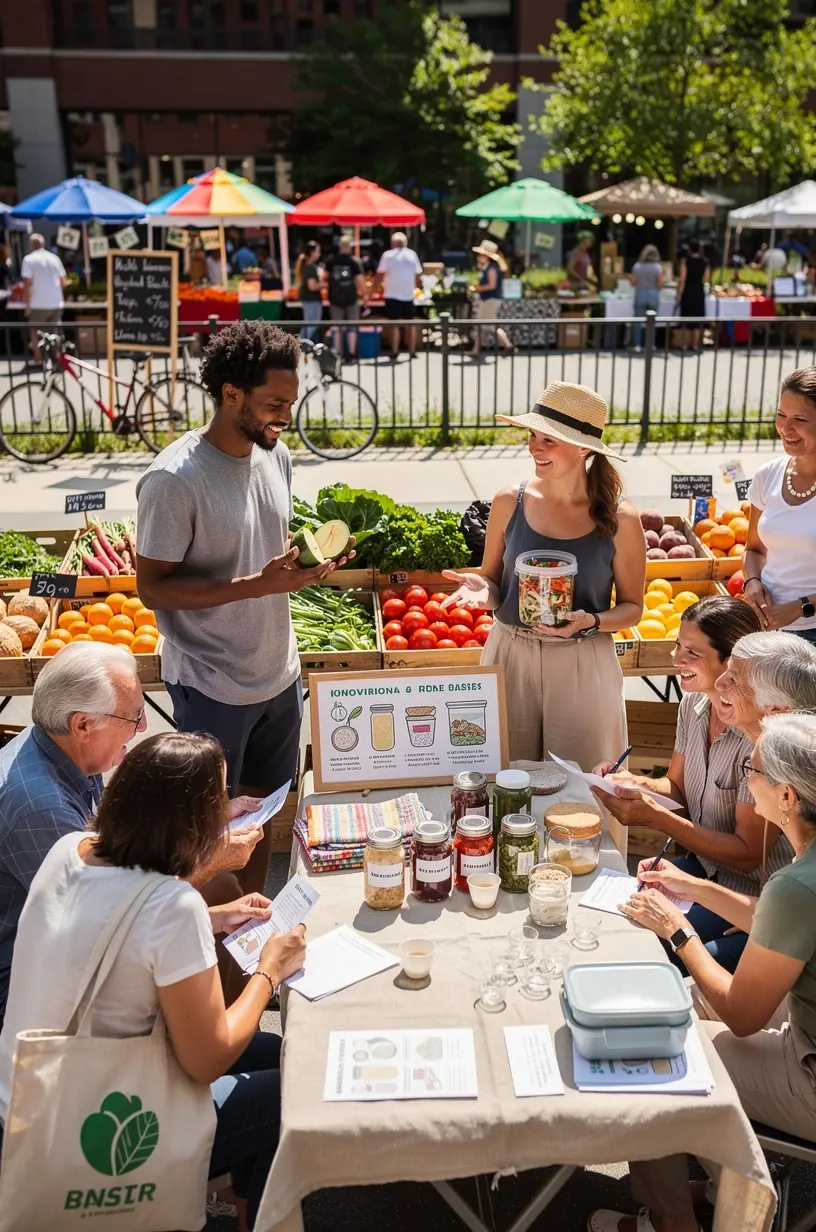
Innovative Approaches to Reduce Waste at Home
Waste reduction at home is not only beneficial for the environment but can also lead to significant cost savings. This article explores practical strategies that can help you make small changes with a big impact on your household waste.
Understanding the Basics of Waste Reduction
Reducing waste involves minimizing the amount of refuse produced in everyday life. According to the Environmental Protection Agency (EPA), the average American generates about 4.9 pounds of trash per day. Many studies indicate that small, incremental changes in behavior can lead to substantial reductions in waste over time.

"Even minor changes in daily habits can significantly reduce household waste, creating a positive impact on the environment."
Practical Strategies to Minimize Waste
- Adopt a Zero-Waste Philosophy: This approach focuses on reducing waste to as close to zero as possible. Many users report that starting with simple steps, like using reusable bags and containers, can help cultivate a mindset geared towards sustainability.
- Composting: Research indicates that nearly 30% of waste generated in homes is compostable. Implementing a composting system can significantly lower this percentage. Experts suggest starting with kitchen scraps and yard waste, which can transform organic matter into nutrient-rich compost for gardens.
- Mindful Purchasing: In most cases, waste is generated at the point of purchase. Many experts recommend assessing needs carefully and opting for products with minimal packaging. Buying in bulk can also reduce packaging waste while saving money.
The Importance of Recycling
Recycling is a proven approach to waste reduction that has been widely adopted. According to the National Recycling Coalition, proper recycling practices can divert up to 75% of waste from landfills. However, it is essential to understand local recycling guidelines, as contamination can hinder the recycling process. Engaging with your community’s recycling programs can improve overall effectiveness.
Educating Family Members
Creating a culture of waste reduction at home often requires education and engagement from all family members. Involving children in the composting process or teaching them about recycling can instill long-lasting habits. Research shows that children who participate in sustainable practices at a young age are more likely to carry these habits into adulthood. Regular family discussions on waste practices can reinforce this learning.
Conclusion
Reducing waste at home is a feasible goal that can lead to substantial environmental benefits and cost savings. By implementing strategies like composting, mindful purchasing, and educating family members, you can create a more sustainable household. Remember that each small effort contributes to a broader change, and it is crucial to set realistic expectations as these practices may take time to adapt to. Start with one or two changes and gradually build your waste reduction strategy over time.
Learn More